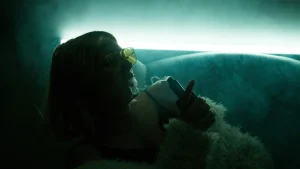
Nicotine is not a 21st century invention. The history of nicotine goes back centuries. This substance was not created in a lab, and it is not an industrial byproduct. Nicotine is a natural alkaloid that plants produce as a defense against insects. It is found in the highest concentration in tobacco (Nicotiana tabacum), but in much smaller quantities, nicotine can also be found in other plants of the nightshade family – potatoes, eggplants, green tomatoes, even cauliflower. However, tobacco alone has become the cause of a billion-dollar industry and global addiction.
The first person to send tobacco leaves to Europe was diplomat Jean Nicot. Nicotine was named after him. In the 16th century, he presented tobacco as a miracle cure for migraines. Thus began its triumphant (and destructive) march around the world. Europe didn’t just accept tobacco – it fell in love with it, got carried away with it, and in a couple of centuries made it a mass product.
How Tobacco Became an Element of Everyday Life
In the 17th–18th centuries, tobacco was cultivated in almost all colonies. Smoking a pipe, then cigars, and later cigarettes became not only a habit, but also a part of the culture. People smoked at balls, in theaters, in parliament. Smoking was especially actively introduced in the army – as a means of “calming the nerves” before battle.
The secret of its popularity is simple: nicotine literally manipulates the brain. It activates dopamine receptors – and a person feels pleasure, relaxation, and reduced anxiety. But this feeling comes at a price – rapid addiction and subsequent dependence.
By the beginning of the 20th century, smoking had become widespread. Not smoking meant being “not in trend”. Tobacco manufacturers actively invested in advertising, associating smoking with masculinity, success, and sexuality. Scientific facts about the harm of nicotine were hushed up or rejected.
Nicotine in the 21st Century: Addiction Reboot
With the advent of electronic cigarettes and vapes, addiction did not disappear – it changed. People believed: if there is no smoke and ash, then it is safer. But vaping liquids use a more effective form of nicotine – nicotine salts. They quickly penetrate the blood, do not irritate the throat, and that is why they are especially addictive.
An additional danger is the fact that vaping does not require a break: there is no cigarette that “ended”, no sense of beginning and end. There is a constant background – a drag in the morning, while driving, at work, in the evening, before bed. Gradually, a person ceases to realize how often he “vapes”.
Why It Is Difficult to Quit Even for Those Who Want To
Nicotine addiction is not a whim, but a complex mechanism. It consists of three levels:
- Physiological – the brain requires nicotine for normal dopamine production.
- Psychological – smoking or vaping is associated with relaxation, rest, reward.
- Social – the habit is supported by the environment, rituals, availability.
Even a person who is aware of the harm is not always able to “just quit”. He needs support, understanding of his own mechanisms, a clear system of steps. And this is what PuffStats provides.
PuffStats Is an Application That Helps You Quit Forever
If before you had to rely only on willpower, now there is a smart assistant. PuffStats is more than a tracker. It is a digital diary, psychologist, motivator and analyst – all in one.
What Makes PuffStats Unique:
• Records every day without nicotine and visualizes progress.
• Calculates the money saved – this is tangible motivation.
• Helps analyze situations when you especially want to “inhale”.
• Tracks health improvements: breathing, sleep, mood.
• Saves the entire history, even if there is a breakdown – you do not lose the path, but continue.
One of the key advantages of the application is its unobtrusiveness. It does not pressure, does not lecture, does not reproach. It is always there – calmly, consistently, confidently.
How To Go Through the Path of Nicotine Cessation
The first step is to realize that you are addicted. This is not a weakness, but a biological reality. The second is to give yourself an honest answer: “I want to be free.” The third is to choose support. This is where PuffStats comes in.
Start with one day. Just record: today without nicotine. The next day – another achievement. In a week, you will already see changes: more energy, clearer skin, calmer thoughts.
If there is a breakdown – this is not the end. A breakdown does not erase progress. It is just another element of the path from which you can learn a lesson. PuffStats will help you not to dwell on the mistake, but to move on.
Liberation Is Not a Loss, but a Discovery
When you quit nicotine, you do not lose. You open up space: for freedom, for breathing, for new rituals. At first it may be strange – how to live without this gesture, without this “relief”. But soon comes an amazing feeling: “I am no longer addicted.”
And with each day this feeling grows stronger. The body wakes up without coughing. The taste of food becomes brighter. You do not look for an excuse to go “on a break”. And most importantly – you are in control again, you are yourself.
Why You Should Start Now
There is no perfect moment. There will never be a “best Monday”. But there will be that very moment when you are tired. When you understand: enough. That’s when – open PuffStats. Celebrate the first day. Give yourself a start.
Nicotine is a story imposed on us by culture, habits and chemistry. But there is a way out. And PuffStats is a step towards this freedom. Without fear, without pressure, without hysteria. Just you – and your choice.
Start today. Because freedom is not tomorrow. Freedom is now.