The Rise of Vape Pens
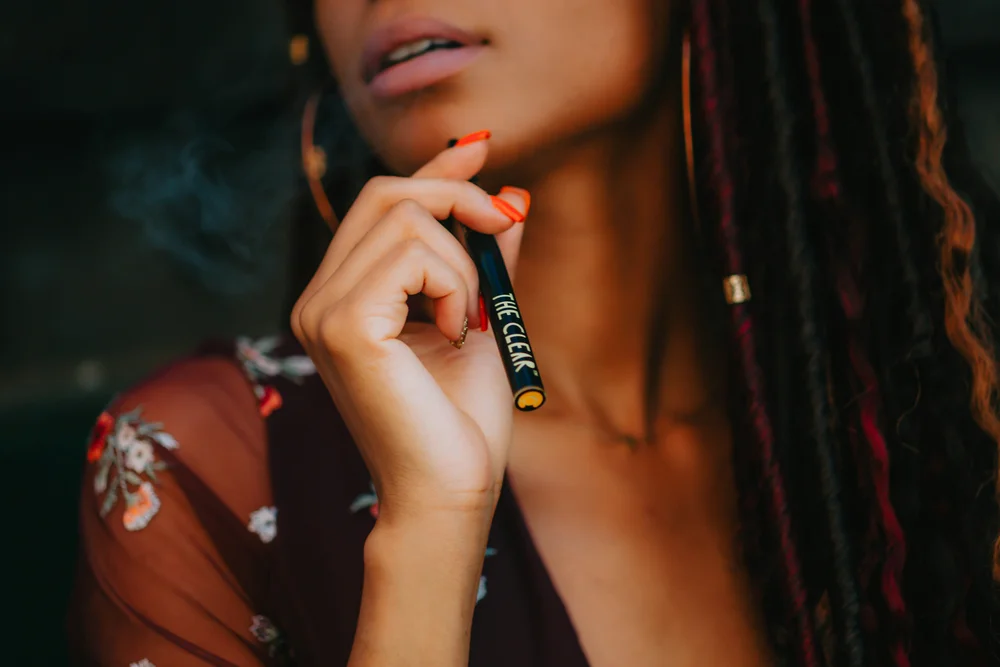
It started quietly — a sleek pen-like device, puffed discreetly in college bathrooms, late-night parties, even office corners. Vape pens, once considered niche and novel, have exploded into the mainstream, especially among younger users. Their compact size, flavored cartridges, and easy-to-hide designs made them instantly appealing. But what exactly are they?
Vape pens are a type of e-cigarette. Unlike the bulky mods that require external tanks and offer complex settings, vape pens are simpler, slimmer, and often disposable. The principle is the same — a battery heats a liquid (usually containing nicotine), turning it into vapor, which the user inhales. What makes them different, however, is their convenience. You don’t need to understand volts, ohms, or coils. You just inhale.
A Brief History
The first modern e-cigarette was patented in 2003 by Hon Lik, a Chinese pharmacist trying to quit smoking after losing his father to lung cancer. His invention — a battery-powered atomizer using nicotine-laced liquid — would lay the foundation for vape pens. By the late 2000s, vaping culture was emerging, and by the 2010s, pens became the dominant form.
Marketing did its job. Vape pens were framed not only as less harmful than cigarettes but also as smarter, more elegant. You weren’t a smoker anymore — you were a vaper. You had choices: mango, cotton candy, menthol ice. On TikTok and Instagram, influencers flaunted clouds and tricks. Vape pens weren’t just alternatives — they were cool.
The Teen Trap and the Illusion of Safety
But with popularity came problems. Vape pens, because of their size and flavoring, quickly became the entry point for teens. A study from the CDC showed that by 2022, over 14% of high school students reported using e-cigarettes. The number was even higher for middle schoolers in urban areas.
Why? Because vape pens seemed harmless. No smoke, no lingering odor, no visible damage — at least not right away. Users believed they were safer than traditional cigarettes, but few understood that many pens deliver even higher doses of nicotine, especially with salt-based formulas. Dependence was swift and quiet.
And once hooked, quitting wasn’t easy.
How Vape Pens Work
At their core, vape pens contain:
- A battery (usually rechargeable or pre-charged)
- A heating element (coil)
- A cartridge or tank (holding e-liquid)
- A mouthpiece
When you inhale, the battery activates the coil, vaporizing the liquid. The user gets a dose of nicotine, often more concentrated than in a cigarette. Some pens are buttonless — draw-activated — making the experience almost too easy. No ash, no mess, no break from puffing.
Even the form factor plays a role. A vape pen fits in a jeans pocket, a pencil case, a sleeve. It doesn’t ask you to stop. It invites you back.
The Role of PuffStats: Turning Awareness into Action
Quitting is hard. Denial is easier. That’s where PuffStats comes in — not as a preachy app, but as a mirror. It tracks your real usage. How many puffs today? This week? How much nicotine did you just inhale, even if you didn’t realize it?
PuffStats doesn’t scold. It informs. It visualizes patterns: you tend to vape more in the evenings or when stressed. It shows how much you’ve spent. It compares your nicotine intake with others trying to quit. It even lets you set goals: fewer puffs per day, longer intervals, or full cessation.
For many users, it’s the first time they realize: “Wow, I just took 150 puffs today. That’s more than a pack’s worth.” PuffStats makes the abstract real. The numbers speak.
And once you see the pattern, you can change it.
The app also supports quitting both traditional smoking and vaping, helping users wean off gradually or go cold turkey with motivational milestones. It’s particularly effective with vape pens, where the “invisible” nature of the habit makes it harder to notice how dependent you’ve become.
Why It Matters Now
The vape pen trend isn’t going away overnight. But awareness is spreading. Parents, schools, and even users themselves are starting to question the narrative. Is it really safer? Is it worth the cost — financially and physically?
For a generation that grew up in an anti-smoking world, the irony is striking: we’ve just changed the shape of the cigarette.
But with tools like PuffStats, there’s hope. Hope that tracking can become action, that numbers can lead to change, and that what once was a trend can be outgrown — one puff at a time.