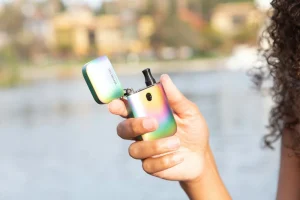
Vaping was marketed as a “safer alternative” to cigarettes, but the reality is otherwise. With each puff, a person inhales not only flavored vapor, but also a cocktail of harmful chemicals — including nicotine, formaldehyde, benzene, and more than thirty other compounds that can gradually destroy health.
The lack of smoke and a more pleasant taste create the illusion of safety, which is why many underestimate the risks. With regular use, the dose of nicotine can be comparable to or even exceed the amount contained in a pack of strong cigarettes. This leads to a faster formation of addiction — often unnoticed by the user.
A particular danger is created by the fact that modern vaping has become virtually silent and unnoticeable to others. This not only reduces social pressure, but also allows people to puff anywhere — at home, at work, in transport. As a result, the body receives a continuous flow of nicotine throughout the day.
Physical Impact on the Body
- Damage to the Respiratory System
Small particles in the aerosol can penetrate deep into the alveoli of the lungs, where gas exchange occurs. This leads to chronic inflammatory processes, decreased elasticity of the lung tissue and impaired blood oxygen saturation. Some users develop signs of chronic bronchitis and shortness of breath during exercise after just a few years. - Risks to the Heart and Blood Vessels
Nicotine is a vasoconstrictor. It increases the heart rate, promotes vascular spasm and increased blood pressure. With prolonged use, this increases the risk of heart attacks, strokes and other cardiovascular diseases, even in people under 30. - Toxic Effects
These compounds damage the DNA of cells, increasing the risk of malignant tumors. At the same time, vapers do not have a “protective” cough, like smokers, so harmful substances can linger in the lungs longer.
Mental and Neurological Consequences
Nicotine affects the production of dopamine and serotonin, creating a feeling of pleasure and relaxation. But over time, the natural mechanisms of pleasure in the brain weaken, and a person increasingly resorts to vaping to normalize their mood.
This is especially dangerous for teenagers: their brain is still developing, and nicotine stimulation can change the functioning of the areas responsible for attention, emotional control, and the formation of habits. Research shows that such changes can be irreversible.
In addition, vaping is fixed at the level of behavioral patterns. The user begins to associate the device with rest, communication, or even the beginning of the working day. These “triggers” can persist for years and provoke a breakdown even after a long period of withdrawal.
Particular Risk for Young People
Teenagers and students often perceive vaping as part of a trendy culture. Bright devices, sweet flavors, and active advertising on social networks make the process attractive. However, there is a real danger behind this: one cartridge can contain as much nicotine as a pack of cigarettes, and sometimes more.
Along with nicotine, more than 31 dangerous chemical compounds enter the body, including substances that disrupt the respiratory system, heart, and brain.
PuffStats — A Digital Assistant for Quitting Vaping
It is difficult to quit vaping, especially without a clear control system. PuffStats solves this problem by allowing the user to see a real picture of their consumption, analyze behavior, and systematically reduce addiction.
Now the application is available for iPhone in the App Store — with full integration with the Apple ecosystem.
What’s New for iOS Users:
- Synchronization with Apple Health — now you can see how the number of puffs affects your heart rate, breathing, and activity level.
- Instant Notifications — the app warns you when you are approaching your daily limit.
- Smart Goals — PuffStats adapts the reduction plan depending on your stats.
- Progress Charts — visual reports help you see improvements and motivate you to continue.
- Weekly Stats — allows you to identify “dangerous” periods, such as Friday nights or stressful days.
Using PuffStats, a person turns the abstract task of “I need to quit” into a concrete plan with measurable results.
How to Get Through Withdrawal Symptoms
The first 3–10 days are the hardest. The body is rebuilding, and you may experience:
- irritability;
- mood swings;
- problems with sleep;
- increased appetite;
- a feeling of emptiness instead of the usual ritual.
Tips:
- Drink more water and herbal teas.
- Add foods with magnesium and B vitamins to your diet.
- Do light physical activity.
- Replace vaping with safe activities — chewing gum, nuts, walking.
Bottom Line
Vaping is not a harmless habit, but a serious threat to physical and mental health. The sooner a person starts the path to quitting, the faster the body will recover. PuffStats, especially in the iPhone version, gives the opportunity to control the process and see real results. The main thing is to act today, without putting it off until tomorrow.