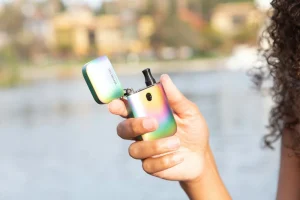
Vapes can be found almost everywhere today – in the hands of students during recess, in the hands of office workers during a break, on a park bench. Compact devices, bright flavors, no tobacco smell – all this makes e-cigarettes an enticing alternative to regular smoking. Many are even sure that vaping is “safe” or at least “many times less harmful than cigarettes.” But is this really true?
The Myth of Safety
Vape is positioned as a “clean” way of smoking, because there is no burning of tobacco, which means there are no tars and hundreds of toxic substances formed during combustion. This argument has become the main marketing trump card. But the absence of smoke does not mean the absence of harm.
The vapor that the user inhales is an aerosol of heated liquid containing nicotine, flavorings, propylene glycol, glycerin, and microparticles of metals that can enter the respiratory tract along with the vapor.
How Vape Works
The principle is simple: liquid is poured into a cartridge or tank, which turns into vapor when heated. The user inhales this vapor, receiving a dose of nicotine and aroma. At first glance, everything looks innocent: no ash, no stench, no flame. But it is precisely because of this apparent “purity” that many people stop monitoring the number of puffs and inhale much more nicotine than when smoking regular cigarettes.
Short-Term Effects
Even with short-term use, vaping can have noticeable side effects:
- Irritation of the throat and dry mucous membranes.
- A slight cough, especially in beginners.
- Dizziness or increased heart rate after large doses.
- A feeling of dry mouth.
Some of these effects go away with the body’s adaptation, but this does not mean that the harm disappears – the body simply gets used to it.
Long-Term Risks
- Nicotine Addiction
Nicotine remains the main active ingredient in most liquids. It affects blood vessels, speeds up the heart, and forms a stable addiction. Moreover, due to frequent puffs, the level of nicotine in the blood can be higher than that of a cigarette smoker. - Effect on the Heart and Blood Vessels
Nicotine increases blood pressure and increases the load on the cardiovascular system. For people with a predisposition to hypertension and heart disease, this is especially dangerous. - Lungs and Respiratory Tract
Aerosol can cause inflammatory reactions in the bronchi and lungs. There are cases of so-called EVALI (vaping-associated lung injury), although it is more common when using low-quality or counterfeit liquids. - Immune System
Some studies indicate that constant inhalation of heated aerosol can weaken the local immunity of the respiratory tract, making them more vulnerable to infections.
Hidden Threats of Liquid Composition
In addition to nicotine, vape liquids contain flavorings, propylene glycol and glycerin. When heated, they can form substances that can irritate the mucous membranes or even have a toxic effect when inhaled regularly.
Microparticles of metals can also get into the vapor – this is the result of wear of the heating element.
Psychological Aspect
Vape is often harder to quit than cigarettes. The reason is its availability: the device is always at hand, you can take a couple of puffs at any time – at work, while driving, at home. There is no “barrier” in the form of going outside or lighting a cigarette. As a result, the habit is integrated into everyday life and becomes almost unnoticeable, but increasingly strong.
Features of Teen Vaping
For teenagers and young people, the harm of vaping is especially serious. The brain continues to form until the age of 25, and nicotine can disrupt this process, affecting memory, attention, and impulse control. Plus, the earlier vaping begins, the higher the risk of long-term addiction.
How to Reduce Harm
- Reduce the frequency of puffs – consciously limit the number of “sessions” per day.
- Choose liquids with a lower strength – to reduce the dose of nicotine.
- Use habit trackers – applications that record puffs, help maintain control.
PuffStats: Control Tool
One of such assistants is PuffStats – an application that tracks the frequency of vaping and helps build a reduction strategy. It records every puff, calculates the amount of nicotine, allows you to set goals and see your progress in visual graphs.
For those who want to quit, PuffStats can be a starting point: at first, you simply observe your habits, and then gradually reduce the load, turning the numbers into real progress.
Conclusion
Vaping is indeed different from smoking cigarettes – but “different” does not mean “safe”. Yes, there is no smoke and ash, but nicotine, chemical impurities and microparticles still enter the body and affect it.
Mindfulness is a key tool. The more you know about what is happening to your body, the easier it is to make decisions that will help you stay healthy.