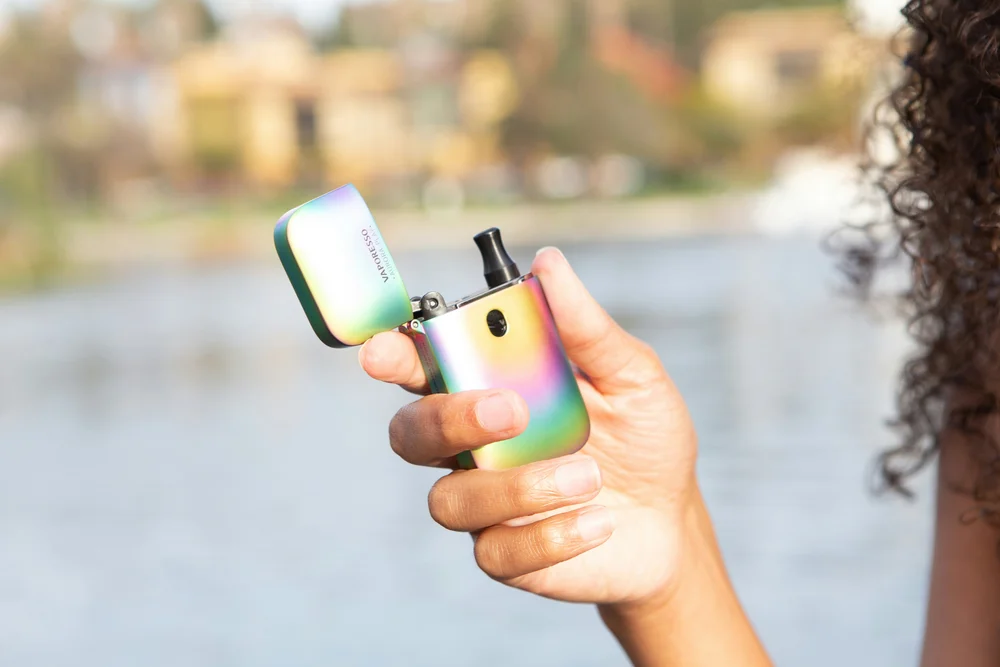
A modern vape is not like a cigarette from the last century. It is odorless, smokeless, bright, compact, aromatic. It looks harmless — like a stylish accessory or just a way to “relax a little.” But under the glossy shell there is a subtle and often imperceptible connection with what is happening inside us.
Vaping is increasingly becoming not just a habit, but a way to cope with emotions. And that is why talking about mental health is an integral part of the topic of quitting vaping.
Why We Vape Not Just for Nicotine
At first glance, everything is obvious: nicotine is addictive, the brain gets used to it, and it becomes difficult for a person to quit. But it is not only about chemistry. Vaping often becomes a reaction to internal stress. We reach for it when we are anxious. When bored. When we lack energy. When irritated or when sad.
Nicotine masks discomfort. It seems to smooth out internal fluctuations, giving a false sense of control. But this control does not last long — it is followed by a rollback. Excitement is replaced by fatigue, “calmness” turns into apathy, and along with this, irritability and the need for a new dose appear.
The brain learns: “I feel bad — I need a drag.” This turns into instant automatism, triggered even before the emotion is realized. And this is the key danger.
How Vape Affects Mood
The mechanism is simple and at the same time insidious:
drag → surge of dopamine → short rise → rapid decline.
And the more often the cycle is repeated, the more the body gets used to the external stimulus.
The paradox is that vaping seems to help cope with anxiety — but in the long term it intensifies it. The body stops independently regulating the level of excitement and calm. Emotions become “dependent” on the device in hand. Instead of a deep breath — craving. Instead of awareness — automatism.
A person, having no alternatives, increasingly resorts to vaping even in neutral situations. Fatigue — steam. Awkwardness — steam. Expectation — steam again. And all this turns into an invisible but constant dialogue between the psyche and nicotine, where the latter is assigned the role of a comforter.
Particularly alarming is how vaping affects young people. Pupils, students, young professionals — those who are just learning to recognise and experience emotions — find themselves in a trap: instead of developing resilience, an illusion of a “tobacco shield” from stress appears.
When Vape Becomes an Emotional Crutch
One of the most dangerous aspects is the unrecognised dependence on vaping as a means of emotional regulation. We stop noticing how often we react unconsciously: the hand reaches for the device even before the brain has time to recognize the emotion.
This is how a vicious circle is formed:
anxiety → vape → brief relief → chemical decline → new anxiety.
Over time, a person may not even associate their stress with vaping. They think that “the nerves are just giving in”, “the world has become too oppressive”, “nothing makes me happy”. But in reality, the brain increasingly requires artificial intervention, and the body copes worse and worse on its own.
Many complain: “I can’t concentrate”, “I get irritated over trifles”, “everything worries me, as if on the edge”. This is not an accident — it is a symptom of systemic overload caused by regular stimulation of the nervous system through nicotine.
How PuffStats Helps to Break the Cycle
It is impossible to break out of this state without awareness. This is where the PuffStats app comes into play — not just a digital diary, but a full-fledged self-monitoring and support tool, now available for iPhone via the App Store.
PuffStats doesn’t force you to “quit immediately.” It allows you to see what happens to you every day, what triggers your impulse to vape, and what emotions precede it.
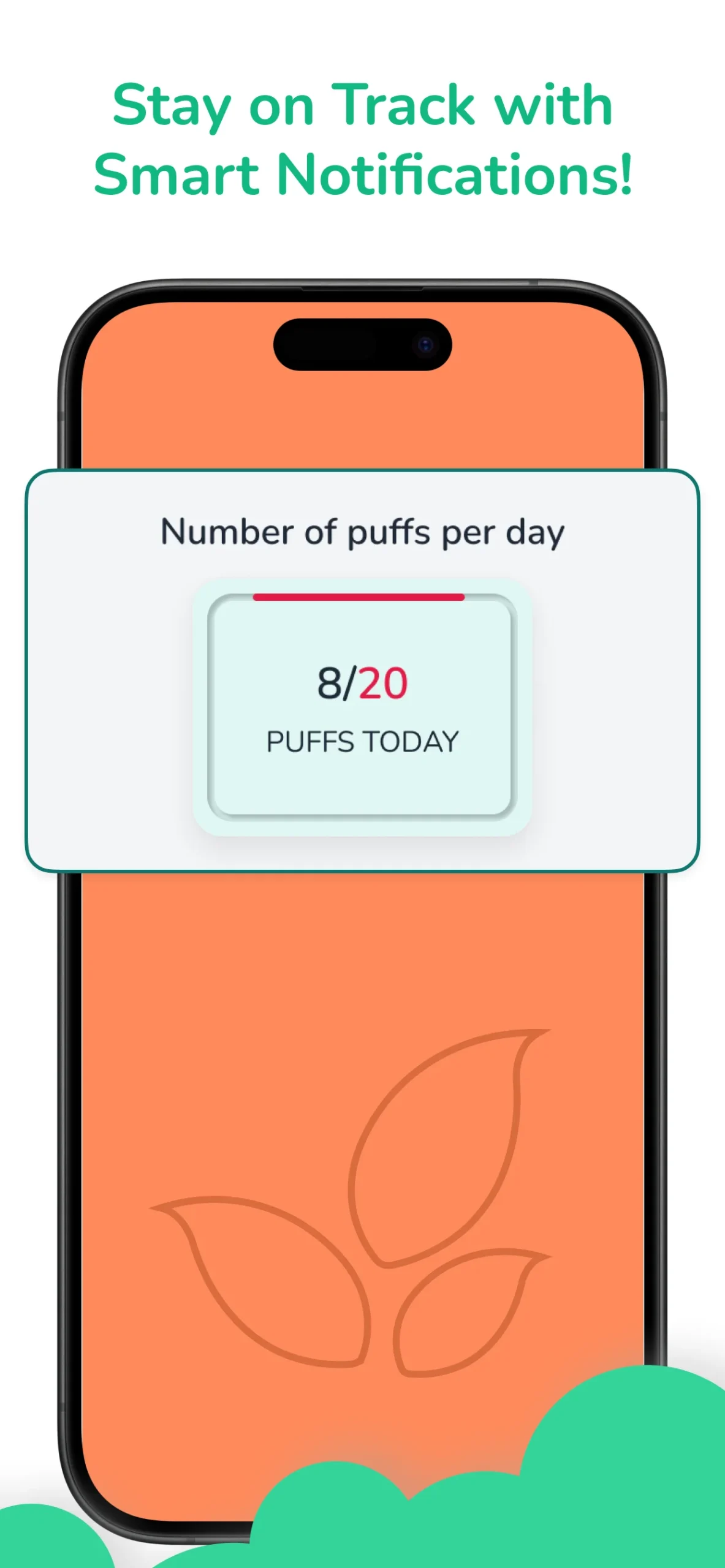
The app records:
- time of puffs;
- environment and mood;
- body reaction;
- dynamics of decreasing or increasing frequency.
After a week, you already see patterns. After a month, you become aware of triggers. And most importantly, you begin to separate yourself from your habit, seeing that a choice is possible.
For example, you notice that you often reach for a vape alone in the evening. Or after difficult conversations. Or during moments of procrastination. PuffStats helps you see recurring emotional scenarios that used to hide behind automatism.





Benefits of PuffStats for Mental Well-Being
- You observe yourself, not judge.
No guilt — just understanding. - You notice emotions before, during and after.
This teaches you to recognize real needs: fatigue, anxiety, boredom. - You create a new way of responding.
Instead of a drag — a conscious pause, a deep breath, a switch. - You are not alone.
The app becomes that “inner adult” that does not press, but supports. - You use what is already in your pocket.
PuffStats works on iPhone and is available in the App Store — without unnecessary barriers and complications. - You see progress.
Not abstract — but real, with graphs, dates and your own victories. - You reduce the level of internal anxiety.
That’s because you no longer run from yourself, but begin to understand how your state works.
The Beginning of Calm Is in Awareness
Mental health begins with something simple: noticing what is happening to you. And then giving yourself the space and tools to cope differently.
Vaping may seem like a solution, but in reality it only delays the moment of real self-reliance. And with PuffStats, you can go through this path — step by step, without pressure, without strain, with support in your pocket.
You don’t have to be perfect. You can be real — with worries, with fatigue, with a desire to change something. And you have everything to start.