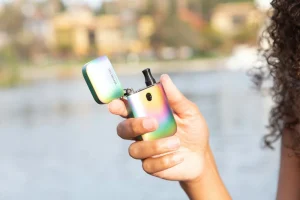
Why the topic is important today? Electronic cigarettes and vapes have burst into life rapidly — they have become part of the urban landscape, schoolyards, and office smoking rooms. Compact devices, sweetish aromas, and the absence of acrid smoke — all of this creates the illusion of harmlessness. Marketing has cleverly played on people’s weaknesses, promising “pure pleasure” without tar and ash. But behind the pretty picture lies something that they prefer not to talk about loudly: vaping is not at all harmless.
The Illusion of Safety
The main argument of manufacturers is the absence of tobacco combustion. Yes, many carcinogens disappear along with the smoke, but this does not mean that the body remains out of the risk zone. The vapor that a person inhales is not “clean air,” but an aerosol that contains nicotine, flavorings, propylene glycol, glycerin, and microparticles of metals that enter the lungs when the heating element wears out.
The paradox is that the absence of an unpleasant odor makes vaping less noticeable to others and the user himself. This destroys natural “barriers” — after all, if there is no stench and ash, then you can allow yourself a couple of puffs at any time. And this moment comes more and more often.
How Does a Vape Work
The principle of the device is simple: the liquid in the cartridge is heated by a coil until steam is formed. The user inhales this steam, receiving a dose of nicotine and aroma. Everything looks aesthetically pleasing: no fire, no smoke, no ashtray. But this is precisely why there is a deceptive feeling that nothing terrible is happening. In practice, the dose of nicotine received per day is often higher than that of a smoker of regular cigarettes.
Short-Term Effects
Even short-term use of vaping can cause noticeable reactions in the body:
- Dry mouth and sore throat
- Slight cough, especially in beginners
- Dizziness with high doses of nicotine
- Increased heart rate
Some of these symptoms disappear with “addiction,” but this is not a sign that there is no more harm. This is only a signal that the body has adapted to a constant irritant.
Long-Term Risks
- Nicotine Addiction
Nicotine is the main active component of most liquids. It affects blood vessels, speeds up the heart, and forms a stable addiction. Due to frequent puffs, the level of nicotine in the blood can be even higher than that of a cigarette smoker. - Cardiovascular Problems
Constant doses of nicotine increase blood pressure, strain the heart, and worsen the condition of blood vessels. For people with hypertension and a predisposition to heart disease, this is especially dangerous. - Effect on the Lungs
Inhaling aerosol can provoke inflammatory reactions. Cases of EVALI have already been described in medicine — lung damage associated with vaping, most often when using low-quality liquids. - Weakening of the Immune System
Regular inhalation of hot vapor with chemical compounds reduces local protection of the respiratory tract. This increases susceptibility to infections and prolongs the recovery period after colds and bronchitis.
Chemical Cocktail Inside
In addition to nicotine, liquids contain flavorings, propylene glycol, and glycerin. When heated, these substances can break down into compounds that irritate the mucous membranes and have a toxic effect. In addition, when the heater wears out, microparticles of metals get into the vapor, which settle in the lungs.
Psychological Trap
Vaping is often more difficult to quit than regular cigarettes. Why? It is simple: the device is always at hand. There is no need to go outside, look for a lighter, or tolerate the smell of tobacco. A puff turns into a mechanical gesture — at the computer, in the car, at home in front of the TV. As a result, not only a chemical, but also a strong behavioral addiction is formed.
Danger for Teenagers
A young body is especially vulnerable. The brain continues to develop until the age of 25, and nicotine can disrupt this process, affecting memory, attention, and impulse control. The earlier vaping begins, the higher the risk of lifelong addiction and related diseases.
How to Reduce Harm
- Reduce the number of puffs — set a limit for yourself and stick to it.
- Choose liquids with a lower strength — reduce the dose of nicotine.
- Use habit trackers — applications that help track the number of puffs and monitor progress.
PuffStats — A Digital Assistant
One such tool is PuffStats — an application that records every puff, calculates the daily dose of nicotine, creates graphs, and motivates to reduce the frequency of use. For many, it is the numbers that become the beginning of a conscious refusal of the habit.
Result
Vaping is not a “safe replacement,” but simply a different way of getting nicotine and inhaling chemicals. The absence of smoke does not cancel out the impact on the heart, lungs, and blood vessels. The main weapon in the fight against addiction is awareness. When you understand what exactly you inhale and how often, there is a chance to change the habit, and with it, your health.